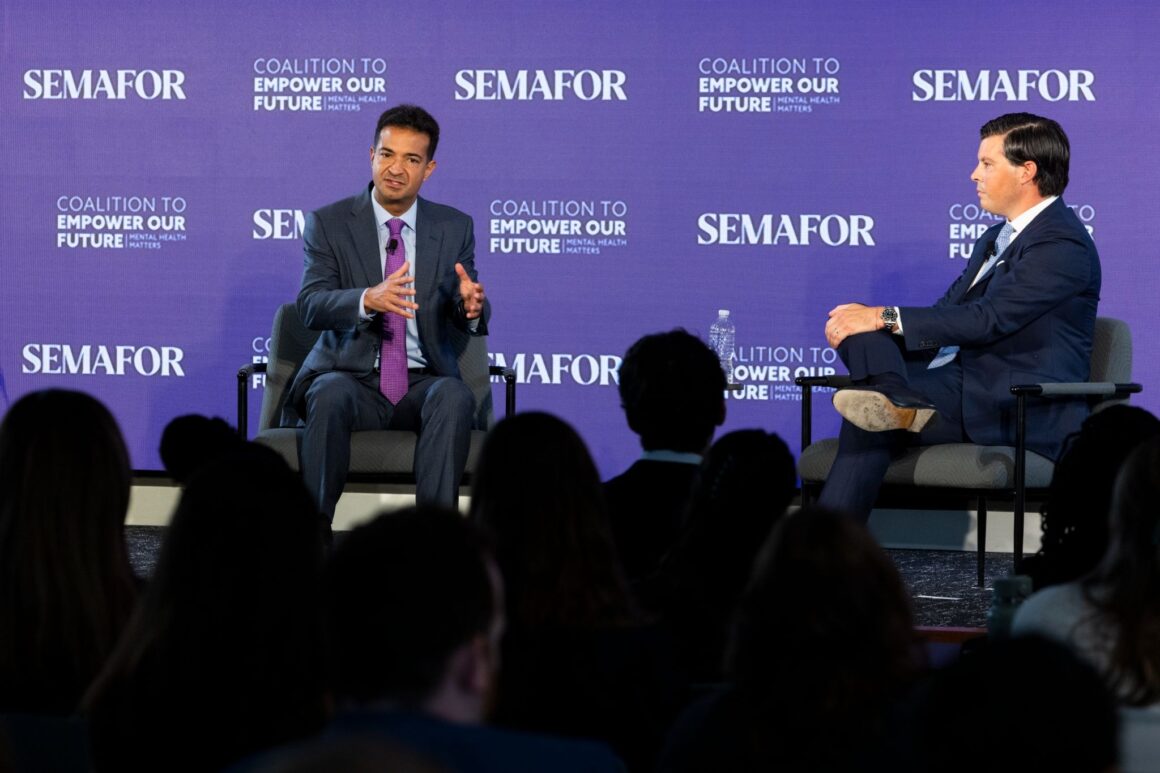
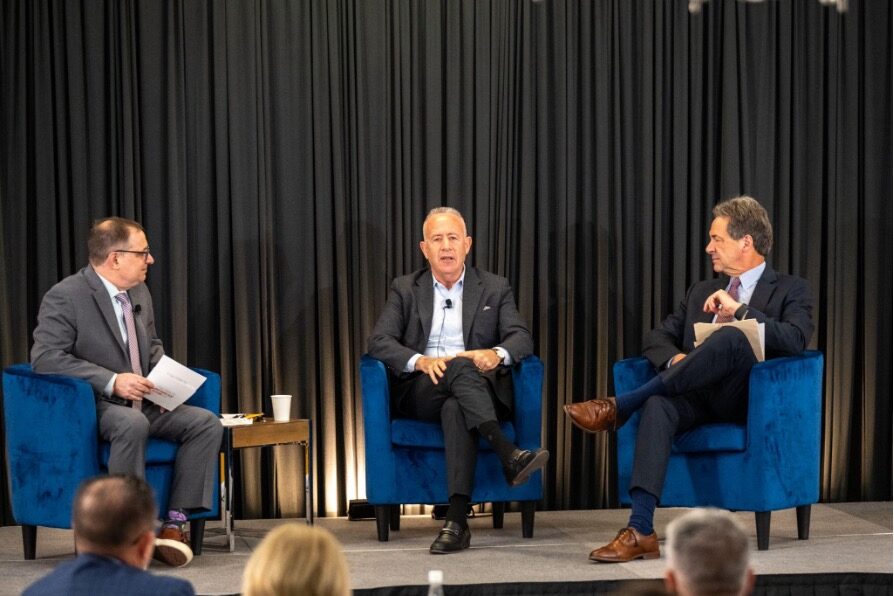
Every child has a unique experience, and everyone has a role to play in this conversation.
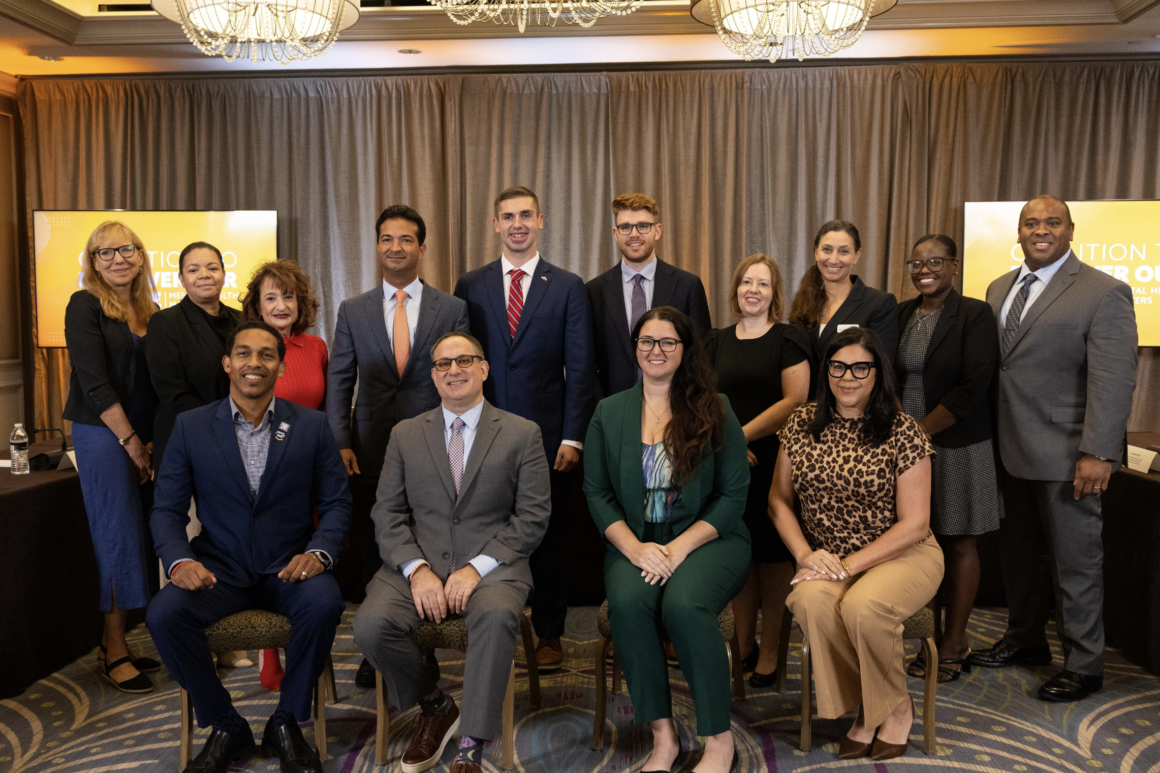
In conversations with a wide range of voices and perspectives, including our coalition members, parents across the country, mental health professionals, clinicians and young people themselves, we are actively listening, learning and gathering insights to better understand the many dimensions of the youth mental health challenge.
While there’s no singular solution, there is a path forward. By working together across schools, families and communities, we can create the conditions that help young people stay healthy, resilient and hopeful.
This page includes feedback from Coalition to Empower our Future’s (CEF) ongoing convenings and discussions, which are laying the groundwork for solutions that are comprehensive and informed by collaborative conversations. This library of resources will continue to evolve and expand as CEF engages more voices and perspectives.
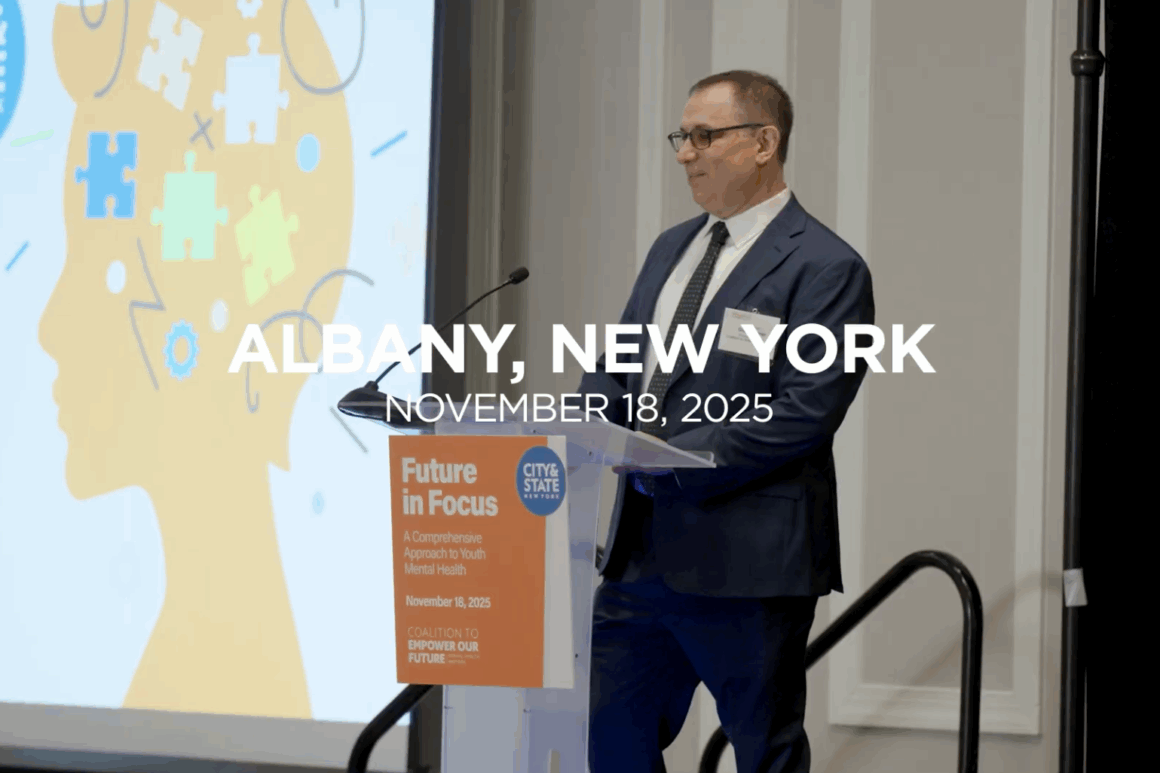
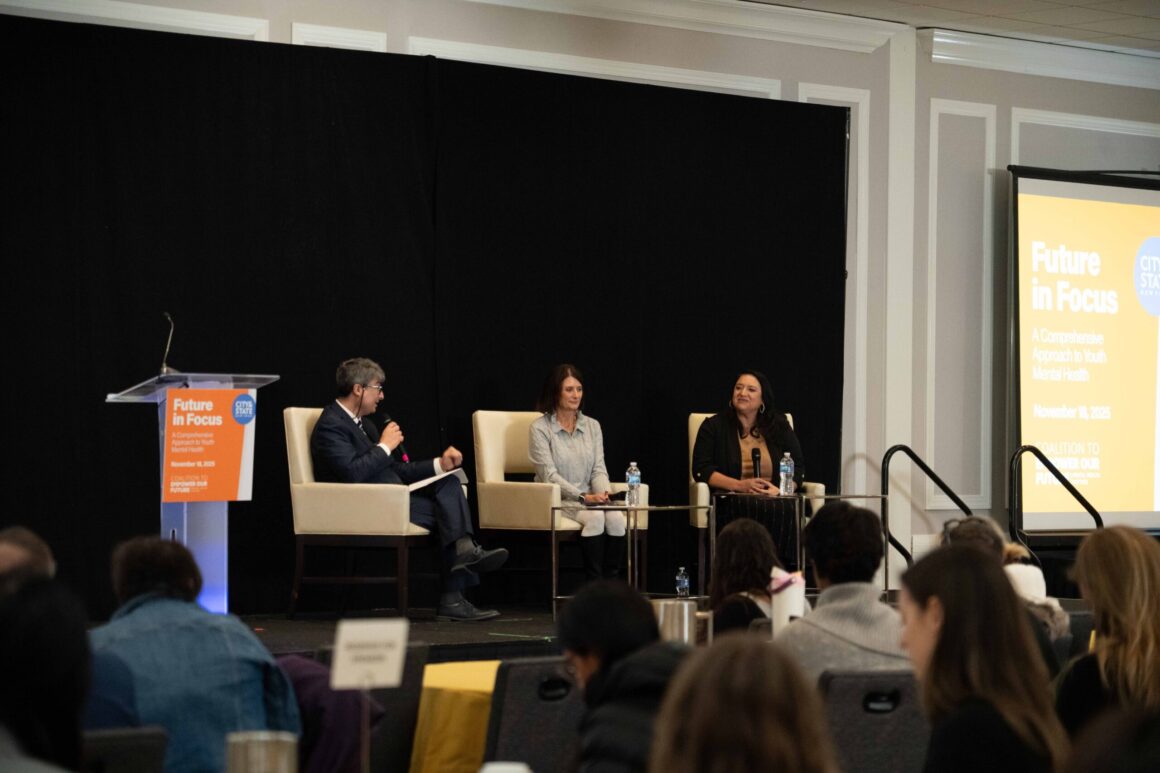
The event brought together parents, educators, clinicians, and community…Read More
Proposed Solutions
Normalize conversations around mental health and resilience through early education and public awareness.
Address the many root causes, such as poverty, housing and food insecurity, social isolation, academic pressure, post-pandemic strains and more.
Strengthen family and community awareness, involvement and engagement.
Empower mentors and coaches as trusted allies and resources in addressing youth mental health.
Consider behavioral health in the pediatric and primary care settings.
Integrate mental health literacy and emotional regulation into curriculum and staff training.
Encourage balanced, positive technology habits, and provide digital literacy and education for young people and their parents.
Build school, community and family partnerships to identify and support at-risk students early.
Promote greater opportunities for participation in active, creative, outdoor play, exercise and sports with less adult supervision, when appropriate.
Cultivate third spaces, which play a key role in youth mental health by providing welcoming environments where young people can connect, decompress and build a sense of belonging outside of school and home.
Approach challenges with an understanding that different kids have different experiences and needs, and that solutions that might work well for one child may not be right for another.
Invest in creative outlets, such as music, writing, visual arts and performing arts, that allow young people to process emotions, express themselves and build confidence.
Strengthen access to books, audiobooks and literacy resources, including libraries and school-based reading programs, as tools for support and relief.
Expand access to safe outdoor spaces and nature-based activities that support stress reduction and overall wellbeing.
Foster environments and programs for kids that enhance peer relationships and connection.
Develop programs and education for young people to become trained peer supporters for youth mental health.
Normalize mental health care by treating it with the same urgency, resources and destigmatization as physical health.
Empower young people to participate in the creation of community programs to strengthen engagement outside of structured, adult-supervised programs.
I’m optimistically saying that I think we’re moving more towards a point where that kind of holistic [approach of] how you have healed overall, how you have reconnected to your sense of self to community, has become a priority.
Celeste Walley, youth advocate and permanency and youth engagement advisor, California Alliance of Child and Family Services
When we can focus on connecting kids, there is so much healing and protection within that. Therapists are important, and there are young people and adults who need therapy, but therapy alone is not going to do this.
Kristina Halmai-Gillan, director of service innovation, YMCA of San Diego County
Something that I’ve come to learn when it comes to young people…is that it’s not just about services. It’s about friendship, it’s about support, it’s about the environment. The best youth mental health counselor can be a peer and a friend.
Darrell Steinberg, former mayor of Sacramento and founder of the Steinberg Institute
We’ve all talked about how very important it is for young people to have spaces where they can just be themselves and decompress. Places that are neither school nor home, places that we call third spaces.
Melanie Hecker, youth and young adult advocacy specialist, New York State Office of Mental Health
Today, we’re seeing youth really eager to engage in this conversation at NAMI. We have teens reaching out to us, really taking initiative, wanting to bring our presentations to their schools, wanting to start their own mental health programs and clubs in their schools.
Audrey Robinson, manager of youth peer support, National Alliance on Mental Illness of New York City
[Music] is a perfect entry point for some otherwise difficult conversations, giving young people a language for emotional experience that they don’t always know how to name. For creating a connection with yourself and with others.
Charlie Gross, co-founder, Sounds of Saving
Every child deserves media literacy education. Today, literacy means being able to deal with your digital world – understanding how it affects you and learning how to self-regulate.
Tamara Sobel, Digital Wellness project lead, Media Literacy Now
Our generation faces a crisis of empathy and connectivity. We need to teach young people how to sit at a table with each other, how to disagree, how to be friends, and how to talk about loss and responsible media use. Getting people back together in community is how we rebuild those skills.
Carson Domey, executive director, Coalition for Student Wellbeing
We teach coping skills and social connections to make children more resilient – and work with families to build trust and bridge that cultural stigma.
Karina Pavone, president and CEO, Amigos for Kids
We have a mental health provider desert in Florida, so we’re leading efforts to train educators and bring trauma-informed practices into schools.
Marni Stahlman, CEO, Mental Health Association of Central Florida
Members and Partner Resources
Visit our members’ and partners’ webpages to access helpful resources: